
Alternator Repair Waterford Township Warning Signs
That battery light on your dashboard is not always a battery problem. When it comes on while you are driving, fades in and out, or appears alongside dim headlights and electrical issues, the charging system needs attention. For dependable alternator repair Waterford Township drivers can count on, the goal is simple: find the actual cause before a weak charging system leaves you stuck in a parking lot, driveway, or on the way to work.
Your alternator keeps the battery charged while the engine is running and supplies power to the vehicle's electrical system. When it begins to fail, the warning signs can be subtle at first. Waiting too long can turn a repair appointment into a no-start situation and an unexpected tow.
What an Alternator Does for Your Vehicle
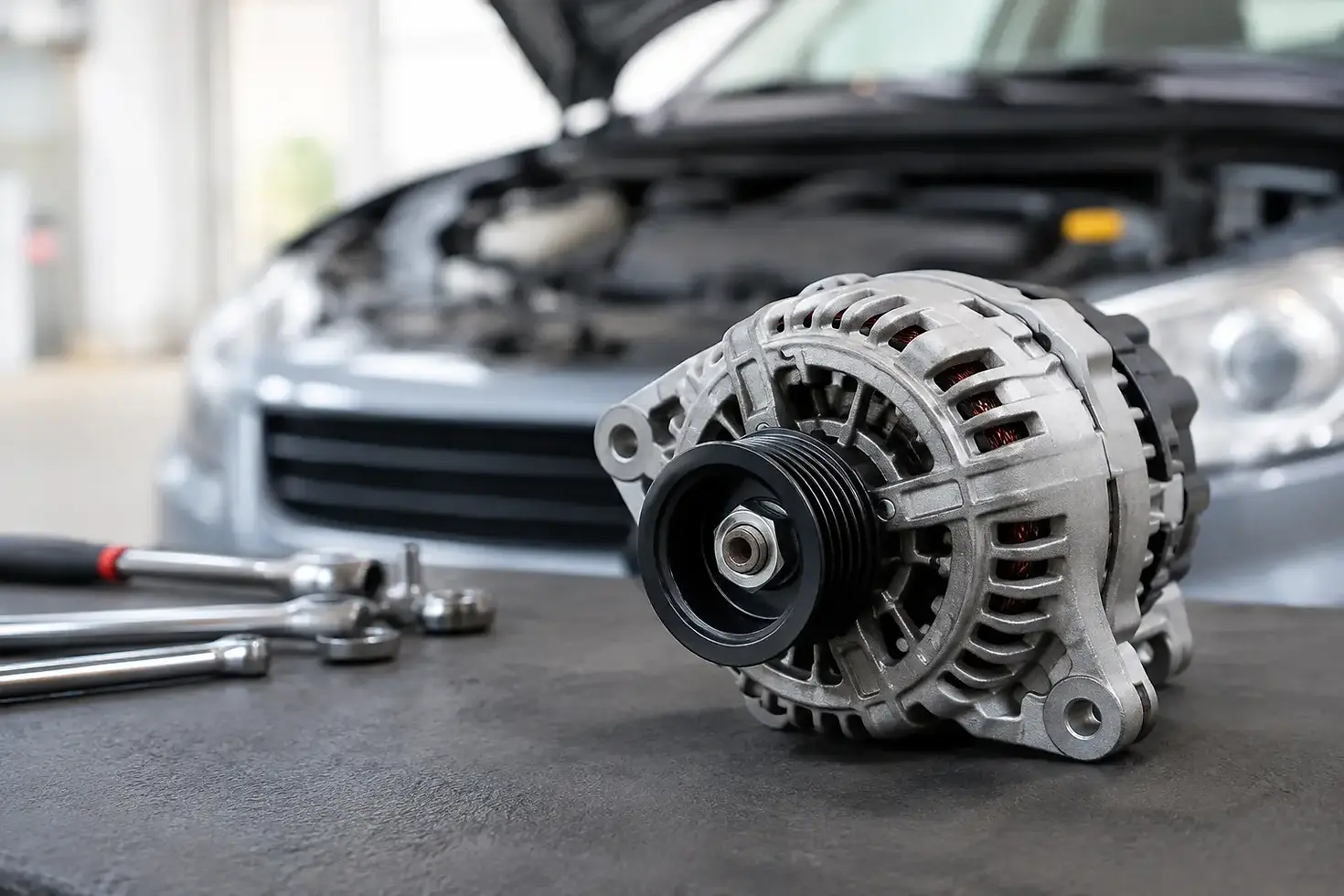
The battery provides the power needed to start your car, truck, or SUV. Once the engine is running, the alternator takes over. It creates electricity to run systems such as headlights, climate controls, power windows, ignition components, infotainment, and safety features while recharging the battery.
That is why a vehicle can start normally in the morning and still have an alternator problem. A fully charged battery may carry the vehicle for a short time, but it cannot replace the alternator for long. As the battery's stored power is drained, electrical accessories may stop working and the engine may eventually stall.
Modern vehicles rely on more electronics than ever. A charging problem can affect far more than the radio or cabin lights. It can create warning messages, interfere with engine operation, and leave you without the dependable transportation your household needs.
Signs You May Need Alternator Repair in Waterford Township
A battery-shaped dashboard warning light is one of the clearest signs that something is wrong with the charging system. It may look like a battery issue, but the light can also point to a failing alternator, damaged wiring, a loose drive belt, poor connections, or another charging-system fault.
Dim or flickering headlights are another common clue, especially if they change brightness as engine speed changes. You may also notice interior lights that pulse, gauges that act strangely, slow power windows, or a radio and screen that restart unexpectedly.
Pay attention to how your vehicle starts. A slow crank can be caused by a worn battery, but repeated starting trouble after the battery has been charged or replaced may mean the alternator is not replenishing it. A battery that keeps going dead is a reason to schedule proper testing rather than continue buying batteries.
Other symptoms can include a burning rubber smell from a slipping belt, a whining or grinding sound near the front of the engine, or warning lights that appear together. Some alternators fail quietly, while others develop bearing or internal component problems that make noise. Either way, it is best not to guess.
Why Testing Matters Before Replacing Parts
Alternator symptoms can overlap with battery, starter, belt, cable, and electrical problems. Installing an alternator when the real issue is a corroded battery terminal or weak battery may cost more without solving the problem. On the other hand, replacing only the battery when the alternator is undercharging can leave the new battery damaged and discharged.
A complete inspection should include the battery's condition, charging voltage, connections, drive belt, and relevant wiring. Technicians can also check for voltage drops and fault codes when the vehicle's computer system is involved. This approach identifies whether the alternator is producing enough power under load, not just whether the engine starts during a quick check.
The repair decision depends on what the testing reveals. A loose belt or damaged connection may be a smaller repair. An alternator with worn internal components, a failed voltage regulator, or a damaged bearing typically needs replacement. The right answer comes from the vehicle's condition, not a one-size-fits-all recommendation.
What Happens During an Alternator Repair
Once the cause has been confirmed, the technician will explain what is needed and provide a clear estimate before work begins. If replacement is the proper repair, the old alternator is removed and the replacement unit is installed according to the vehicle's requirements. The belt, mounting points, electrical connections, and surrounding components are inspected along the way.
After installation, the charging system should be retested. This final check confirms that the alternator is charging properly, the battery is receiving the correct voltage, and electrical accessories are operating as they should. It is an important step because a repair is not complete until the system performs correctly in the vehicle.
Some vehicles have alternators that are easy to access. Others require more labor because the component sits behind or beneath other engine parts. That is one reason estimates can vary by make and model. A transparent shop will explain the parts and labor involved rather than offering a vague price that changes later.
Can You Drive With a Failing Alternator?
It depends on how far the failure has progressed, but it is never a good problem to put off. If the battery warning light comes on while driving, turn off unnecessary electrical accessories when it is safe to do so and arrange service as soon as possible. Do not assume the vehicle will make it home simply because it is still running.
A failing alternator can stop charging with little warning. Once battery voltage drops too low, the vehicle may stall and may not restart. Loss of power steering assist can also occur in certain vehicles if the engine shuts off, making the situation more difficult and potentially unsafe.
If you smell burning rubber, hear a severe grinding noise, see smoke, or experience multiple electrical failures, pull over safely and avoid continuing to drive. Those symptoms may involve a belt or electrical issue that needs immediate attention.
Protecting the Charging System Between Visits
Alternators do not last forever, but a few habits can help reduce avoidable stress. Keep battery terminals clean and secure, and have a weak or aging battery tested before cold weather arrives. A poor battery can make the charging system work harder than it should.
Avoid ignoring belt noise or dashboard warning lights. Routine inspections also give technicians an opportunity to spot cracked belts, damaged wiring, leaking fluids near electrical components, and battery corrosion before they cause a breakdown. If your vehicle has needed a jump-start more than once, schedule a charging-system test instead of treating the symptom as a one-time inconvenience.
Get Clear Answers Before You Are Stranded
At Alaw Auto Repair, certified mechanics can inspect the battery, alternator, belt, and related electrical components to pinpoint the problem and recommend the repair your vehicle actually needs. Drivers can request a quote or schedule service with the convenience of local pickup and drop-off support or a courtesy vehicle when available.
A battery light is your vehicle's chance to warn you before the next errand becomes a roadside problem. Address it early, ask for a complete charging-system diagnosis, and get back to the road with confidence.


Comments