

Preventative Car Maintenance That Saves You Money
A dead battery in a Waterford parking lot, brakes that start grinding on the way to work, or an overheating engine during a family trip rarely feels like it came out of nowhere. In many cases, there were earlier signs: a missed oil change, a fluid leak, an old belt, uneven tire wear, or a warning light that was easy to put off. Preventative car maintenance is the practical way to catch those concerns before they turn into an expensive repair or an inconvenient breakdown.
It is not about replacing parts just because a calendar says so. Good maintenance follows your vehicle manufacturer’s recommendations, considers how and where you drive, and gives a qualified technician a chance to spot developing problems. For Michigan drivers, that matters even more. Winter cold, road salt, potholes, short trips, and stop-and-go commuting can all put extra strain on a vehicle.
What Preventative Car Maintenance Really Does
Preventative maintenance keeps the systems that make your vehicle safe and dependable under regular observation. Oil, filters, fluids, tires, brakes, batteries, steering, suspension, cooling, and belts do not all wear out at the same rate. A thorough service visit helps identify what needs attention now, what can wait, and what should be monitored at the next visit.
That distinction is where honest service matters. Not every recommendation is an emergency, and not every vehicle needs the same schedule. A truck used for towing, a commuter vehicle that spends hours on I-75, and a family SUV driven mostly around town may have different service needs even if they have similar mileage.
The payoff is usually less drama and more control. Instead of reacting to a breakdown, you can plan for a repair, budget for it, and schedule service at a time that works for your household.
The Services That Protect Your Vehicle Most
Oil changes and fluid checks
Engine oil does more than keep moving parts lubricated. It helps control heat and carries contaminants away from critical engine components. Waiting too long can allow sludge and wear to build up, which may shorten engine life. The right oil-change interval depends on the vehicle, oil type, driving habits, and manufacturer guidance, so the old every-3,000-miles rule does not fit every car.
During an oil service, other fluids deserve attention too. Coolant helps prevent overheating and freeze damage. Brake fluid supports reliable braking. Transmission, power steering, and differential fluids may need inspection or scheduled replacement depending on your vehicle. Low or contaminated fluid can be an early clue that a leak or component issue needs to be addressed.
Brake inspections
Brake pads do not always give plenty of warning before they wear down. Squealing, grinding, vibration, a soft pedal, a pulling sensation, or a brake warning light all deserve prompt inspection. But a brake check before symptoms begin can be even more useful.
A technician can measure pad thickness, inspect rotors, check brake hoses and hardware, and look for fluid leaks. Replacing worn pads on time may help prevent rotor damage and keep a smaller brake job from growing into a larger one. More importantly, dependable brakes protect everyone riding in the vehicle.
Tires, alignment, and suspension
Tires are your vehicle’s only contact with the road. Proper inflation, even tread wear, tire rotation, and alignment all affect handling, traction, fuel economy, and tire life. Cold Michigan weather can reduce tire pressure, while potholes can knock an alignment out of specification or damage suspension components.
Check tire pressure monthly when tires are cold, and do not rely only on a visual glance. If your vehicle pulls to one side, the steering wheel is off-center, or the tread is wearing unevenly, schedule an inspection. Those symptoms can point to alignment trouble, worn suspension parts, or tire damage that should not be ignored.
Battery and electrical system testing
A battery can seem fine until the morning it will not start. Cold temperatures are especially hard on batteries, and corrosion at the terminals can interfere with starting and charging. Battery testing can identify weak performance before a no-start leaves you stranded.
The charging system matters just as much. A failing alternator, loose connection, or damaged cable can create intermittent electrical concerns that are frustrating to diagnose after the fact. If headlights dim, the battery light comes on, accessories act strangely, or starting becomes sluggish, have the system checked soon.
Cooling-system service
Your cooling system works year-round, not just during summer heat. Coolant, the radiator, hoses, water pump, thermostat, and cooling fans all help the engine maintain a safe operating temperature. A small coolant leak or aging hose may be manageable when found early. Left alone, it can lead to overheating and serious engine damage.
Watch for a sweet smell, puddles beneath the vehicle, a rising temperature gauge, low coolant, or steam from under the hood. Never remove a radiator cap when the engine is hot. Let the vehicle cool and arrange for an inspection instead.
A Maintenance Schedule Should Fit Your Driving
Your owner’s manual is the starting point for preventative car maintenance. It provides service intervals based on mileage and time, including inspections and replacement schedules for items such as spark plugs, filters, drive belts, and certain fluids. If you are unsure which schedule applies to your vehicle, bring the manual or vehicle information to your service appointment.
However, severe driving conditions can call for more frequent attention. Short trips that do not fully warm the engine, heavy traffic, towing, dusty roads, frequent idling, and extreme temperatures can all affect maintenance needs. That does not mean approving every service automatically. It means asking why a service is recommended, what condition the technician found, and what could happen if it is delayed.
A trustworthy shop should be comfortable answering those questions in plain language. Ask which repairs are safety-related, which are time-sensitive, and which can be planned for later. Clear priorities make it easier to care for your vehicle without feeling pressured.
Small Signs That Should Not Wait
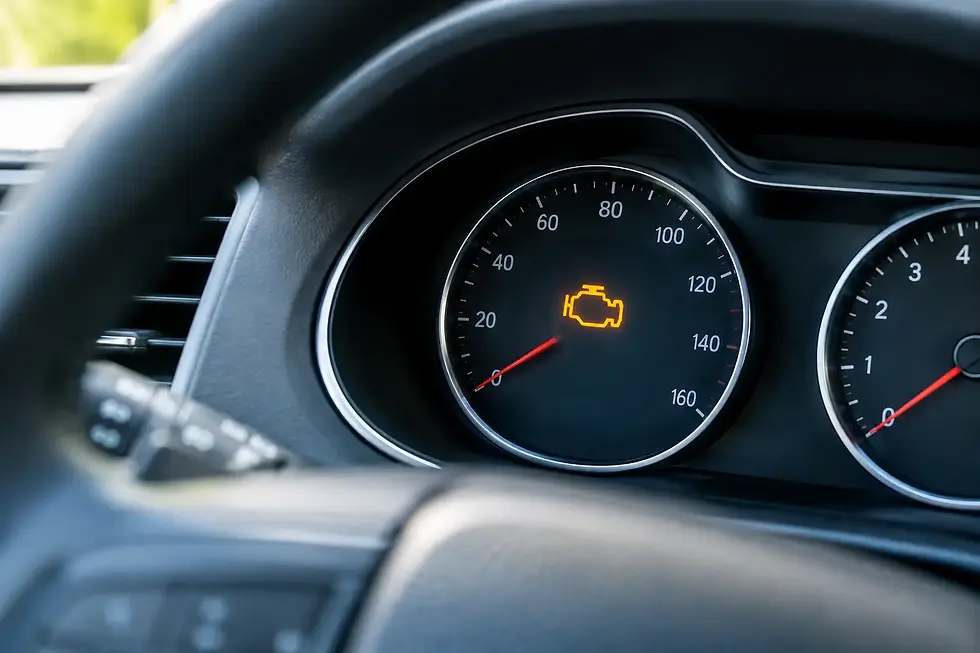
Maintenance is most effective when drivers pay attention to changes in how a vehicle feels, sounds, and performs. A warning light is not always a reason to panic, but it is a reason to get an answer. Ignoring it can turn a simple sensor, emissions, or fuel-system concern into a more complicated problem.
Schedule an inspection when you notice a new vibration, burning smell, fluid spot, rough shifting, reduced fuel economy, loss of heat or air conditioning, unusual exhaust smoke, or a clunk over bumps. These symptoms have many possible causes, so guessing or replacing parts at random can waste money. Professional diagnostics identify the source before a repair plan is made.
If the check engine light is flashing, the temperature gauge is in the red, the oil-pressure light comes on, or braking feels unsafe, stop driving when it is safe to do so. Those are not maintenance reminders. They may signal a condition that needs immediate attention.
Make Maintenance Easier to Keep Up With
The best schedule is one you can actually follow. Keep service records in your glove box or phone, including the date, mileage, work completed, and any recommendations for the next visit. Records help technicians see patterns and can be valuable when selling or trading in a vehicle.
It also helps to combine services when they naturally line up. An oil change is a good opportunity for a tire, brake, fluid, and under-hood inspection. Before winter, a battery test, tire check, wiper inspection, and cooling-system review can make everyday driving less stressful. Before a long road trip, address warning lights, tire concerns, and fluid issues rather than hoping they hold out.
At Alaw Auto Repair, certified technicians can explain what your vehicle needs now and what can be monitored, with fair pricing and work backed by a 2-year/24,000-mile parts-and-labor warranty. Courtesy transportation and local pickup and drop-off support can also make it easier to handle service without disrupting your day.
A well-maintained vehicle will still eventually need repairs. Parts wear, roads are rough, and no car lasts forever without attention. But giving small concerns a place on your calendar today can help keep tomorrow’s plans from being interrupted by a tow truck.


Comments